In a world of online quotes, instant bind buttons, and one-click coverage, insurance can start…

April Spotlight: Protecting Those Who Protect Us
Emergency Services Insurance Needs with RT Insurance
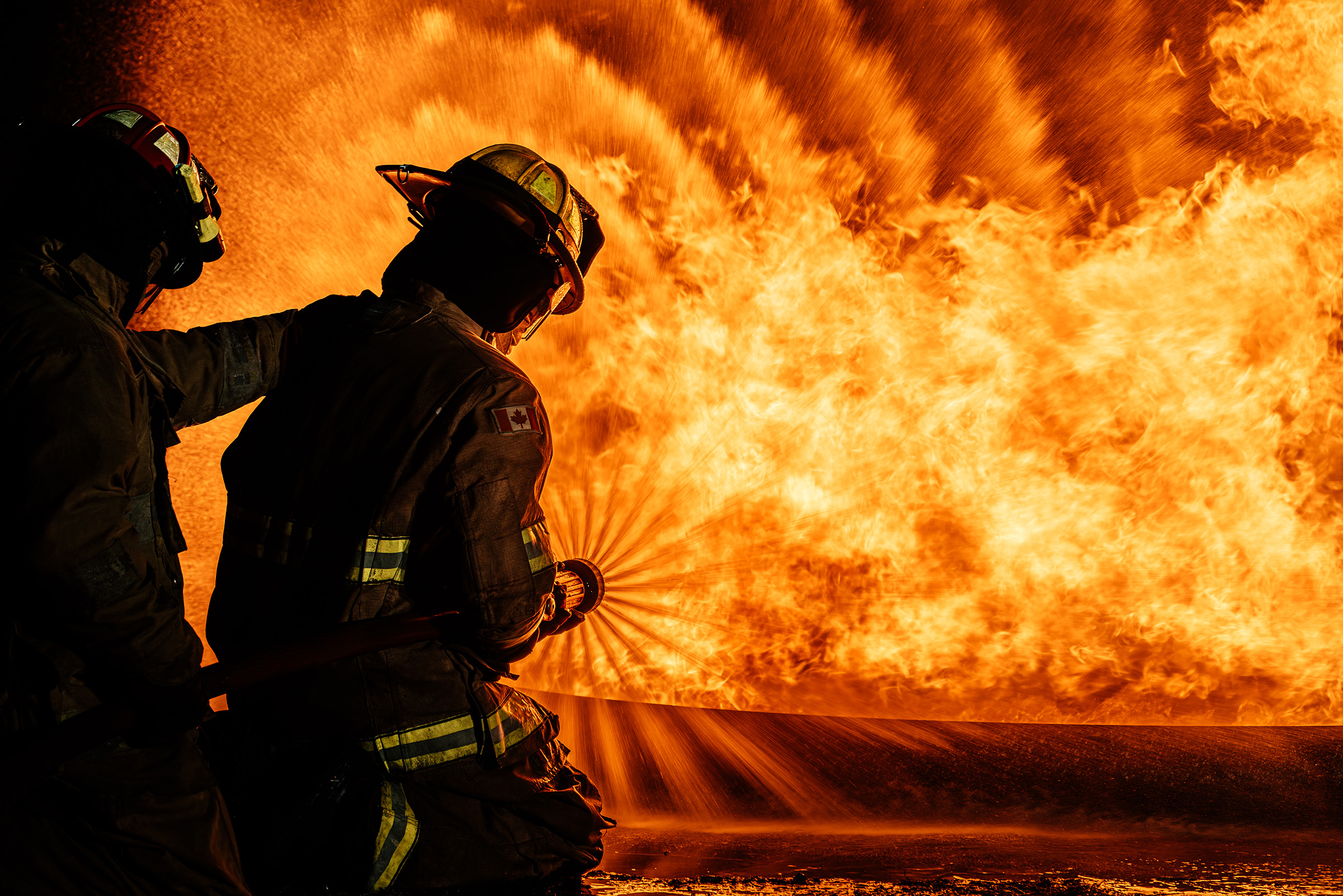
April often brings unpredictable weather, increased outdoor activity, and a rise in community events — all of which place additional demands on our local emergency service providers. From fire departments and EMS teams to rescue squads and volunteer responders, these organizations operate in high-risk, high-responsibility environments every single day.
At RT Insurance, we understand that protecting those who protect our communities requires specialized coverage — not one-size-fits-all policies.
The Unique Risks Emergency Services Face
Emergency service organizations encounter exposures that most businesses never will, including:
- High-liability response situations
- Vehicle accidents involving emergency apparatus
- Equipment damage or theft
- Volunteer-related liability
- Professional liability claims
- Workers’ compensation risks
- Property damage to stations and facilities
Standard commercial policies often leave critical gaps in these areas. That’s why emergency services require insurance tailored specifically to their operations.
Coverage Areas Every Emergency Service Should Review
As we move into spring storm season and a busy response period, now is the ideal time to review coverage. Here are key areas to evaluate:
🚒 Commercial Auto & Fleet Coverage
Emergency vehicles are specialized, expensive, and mission-critical. Coverage should include adequate limits, equipment protection, and liability safeguards for high-speed or priority responses.
🚑 General & Professional Liability
From on-scene medical decisions to property damage claims, liability coverage must reflect the real-world risks responders face.
🧯 Equipment & Gear Protection
Radios, medical devices, rescue tools, turnout gear — these assets are essential and costly to replace. Proper inland marine or equipment coverage ensures operational continuity.
🏢 Property & Station Coverage
Fire stations and emergency facilities house expensive apparatus and serve as community hubs. Policies should address building coverage, contents, and business interruption needs.
👥 Volunteer & Employment Practices Liability
Many departments rely on volunteers. Ensuring proper protection for volunteer injury, discrimination claims, or management liability is critical.
Why Specialized Experience Matters
Insurance for emergency services is complex. It requires an understanding of:
- Municipal structures
- Public entity exposures
- Volunteer management
- Grant-funded equipment
- Mutual aid agreements
At RT Insurance, our team works closely with emergency service organizations to identify potential gaps and build coverage that reflects real operational needs — not assumptions.
We don’t just provide policies. We provide partnership.
Spring Is the Right Time for a Coverage Review
April is a smart time to:
- Review policy limits
- Update equipment inventories
- Assess fleet values
- Confirm volunteer rosters
- Evaluate any operational changes
Growth, new apparatus purchases, or expanded services can quickly create coverage gaps if policies aren’t updated.
Being proactive now helps prevent costly surprises later.
Protecting Those Who Serve
Emergency responders dedicate themselves to protecting lives and property. Their insurance coverage should provide the same level of protection in return.
If your department or emergency service organization hasn’t reviewed its insurance recently, now is the time.
RT Insurance is ready to help you evaluate your current policies, identify gaps, and ensure your team is fully protected.
📞 Contact RT Insurance today for a comprehensive emergency services insurance review.

Related Posts